
-
 Fraud Mitigation & Data Integrity
Essential tools for trust, integrity, fraud prevention & regulatory compliance.
-
 Routing Optimization
Gain access to authoritative routing data to create the ultimate routing intelligence for your traffic.
-
 Number Administration
Empowering connectivity as the FCC appointed administrators for critical numbering registries.
-
 Connected Device Intelligence
Gain total transparency to your IoT assets’ current state and vulnerabilities.
What's Happening
Learn about the latest news and updates from Somos.
EVENT
Registration for the 2026 Somos Summit is Still Open!
Join us Nov. 2-3 in Washington, D.C., as global thought leaders, fraud prevention experts and innovators from across telecom and beyond come together for two days of insights, innovation and conversations on how “Restoring Trust Starts with Us”.
INSIGHT
Restoring Trust in the World’s Communications
Gina Perini shares a bold vision for the future: restoring trust in the world’s communications and reestablishing the phone number as a trusted form of identity.
Insights
Better Visibility, Stronger Data: Enhancing TFNRegistry Workflows
Reliable Toll-Free operations depend on accurate routing data and clear visibility into historical record changes. For organizations managing complex Toll-Free routing environments, these capabilities help accelerate investigations, reduce manual cleanup and improve customer support.
In the final installment of our customer-driven enhancement series, we explore how feedback from Bell Canada helped shape two TFNRegistry™ enhancements: Template Record History and the automated removal of invalid routing data. Together, these capabilities give teams greater insight into historical routing configurations, help prevent invalid values from carrying forward and support more efficient issue resolution.
The Need for Better Toll-Free Routing Visibility
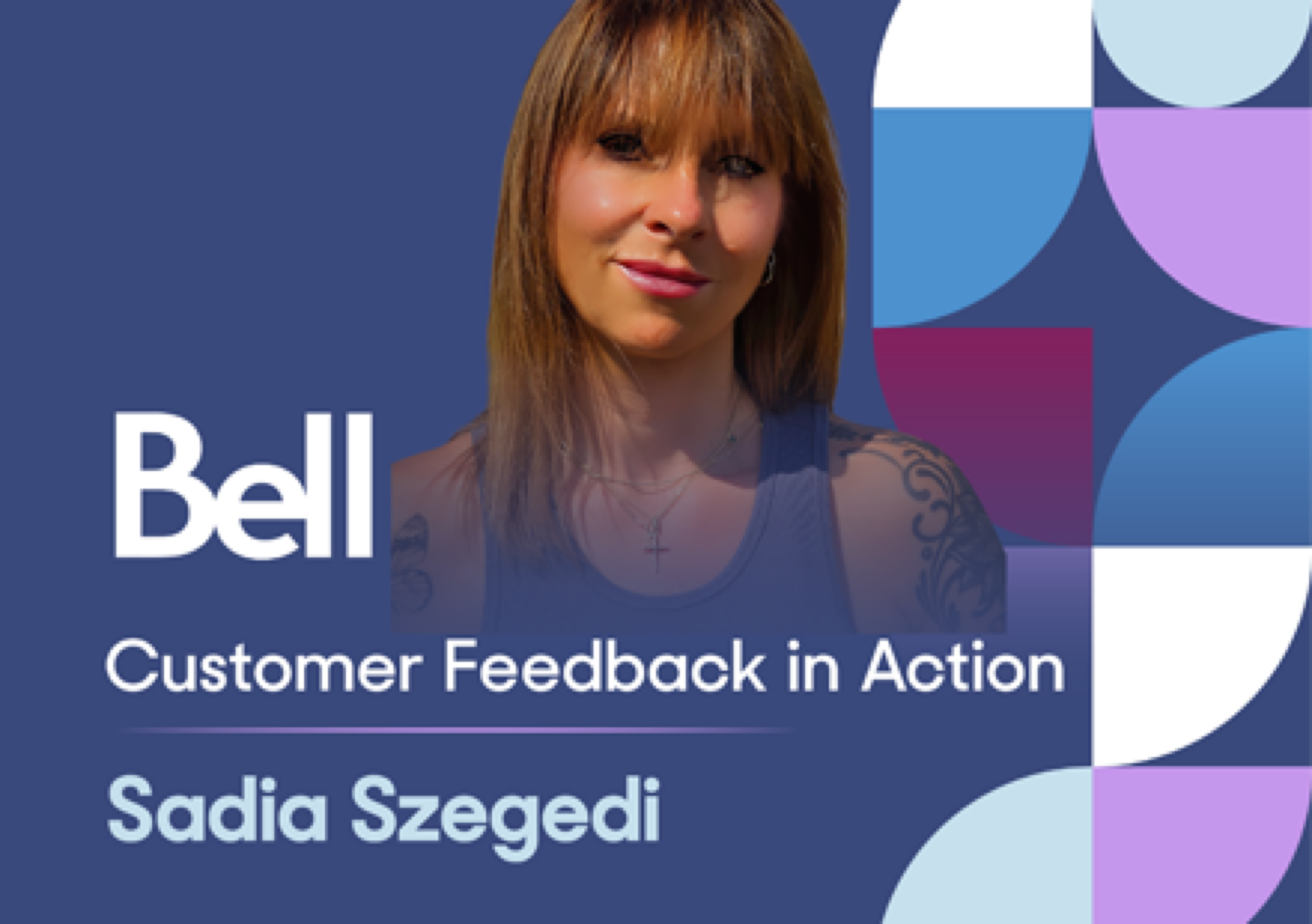
Bell Canada uses several Somos solutions, including the TFNRegistry, RealNumber® DNO and RouteLink®. Sadia Szegedi, Manager of Toll-Free and International – Cross Border Traffic at Bell Canada, has participated in the Somos User Group since 2023.
Through the group, Bell Canada can share perspectives on Canadian carrier requirements, cross-border operations and the needs of large Responsible Organizations. Participation also helps the organization stay informed about broader trends affecting Toll-Free services.
For Bell Canada, one important need involved greater visibility into routing records. Unlike organizations that rely primarily on template-based routing, Bell Canada uses a fully data-driven approach in which each record reflects the current state of a Toll-Free Number (TFN) in the TFNRegistry.
Challenges Investigating Routing and Data Issues
When routing discrepancies, unexpected translation results, or carrier misalignments occurred, Bell Canada needed a faster way to determine what changed and when. Without historical Template Record data, investigations relied on manual research, making root-cause analysis more time-consuming.
The team also encountered invalid routing data that was difficult to identify proactively. In some cases, issues surfaced only after affecting a customer or during detailed record reviews. Correcting these records required manual cleanup, industry data validation and coordination across multiple teams — particularly during migrations or bulk updates, when legacy or inconsistent values could persist.
Improving Template Record History and Auto-Removal Functionality
Bell Canada’s feedback helped shape enhancements focused on improving visibility, traceability and data quality within the TFNRegistry.
With Template Record history, teams have clearer access to the historical state of Template Records and can better understand how those records relate to the current active configuration. That added visibility helps support investigations, resolving issues and operational confidence.
The auto-remove enhancement helps address invalid NPA-NXX and POTS values by supporting data validation and reducing the need for manual intervention. For teams managing large volumes of records, that kind of automation can help prevent inconsistent or invalid data from carrying forward during routine work, migrations or bulk updates.
Benefits for Data Integrity and Issue Resolution
Since the enhancements became available, Bell Canada has experienced improvements in operational efficiency, data integrity and issue resolution. According to Sadia, access to Template Record history has significantly reduced the effort required during investigations.
Automating the removal of invalid routing values has also reduced manual cleanup and strengthened overall data quality. Together, these enhancements enable teams to identify issues earlier, resolve them more efficiently, and provide more reliable Toll-Free routing services to customers.
Strengthening TFNRegistry Workflows Through Customer Feedback
Template Record history and routing-data cleanup demonstrate how customer feedback can lead to practical TFNRegistry improvements. By strengthening historical visibility, reducing manual data validation and supporting faster investigations, these enhancements help organizations manage Toll-Free routing records with greater efficiency and confidence.
Across this series, one theme remains consistent: the organizations that use the TFNRegistry every day offer valuable insight into how processes can be clearer, where manual work can be reduced and which enhancements can better support customers.
That is the value of building with customers. Their day-to-day experience helps surface the improvements that make systems more reliable, more efficient and more responsive to the realities of the industry.
Stay Connected
Stay in touch! Sign up for our monthly newsletter.
Need to reach us sooner? Call, text, or email us at:
844.HEY.SOMOS help@somos.com
