
-
 Fraud Mitigation & Data Integrity
Essential tools for trust, integrity, fraud prevention & regulatory compliance.
-
 Routing Optimization
Gain access to authoritative routing data to create the ultimate routing intelligence for your traffic.
-
 Number Administration
Empowering connectivity as the FCC appointed administrators for critical numbering registries.
-
 Connected Device Intelligence
Gain total transparency to your IoT assets’ current state and vulnerabilities.
What's Happening
Learn about the latest news and updates from Somos.
EVENT
Registration for the 2026 Somos Summit is Officially Open!
Join us Nov. 2-3 in Washington, D.C., as global thought leaders, fraud prevention experts and innovators from across telecom and beyond come together for two days of insights, innovation and conversations on how “Restoring Trust Starts with Us”.
INSIGHT
Restoring Trust in the World’s Communications
Gina Perini shares a bold vision for the future: restoring trust in the world’s communications and reestablishing the phone number as a trusted form of identity.
Insights
New Research Reveals the Growing Impact of Scams on American Consumers
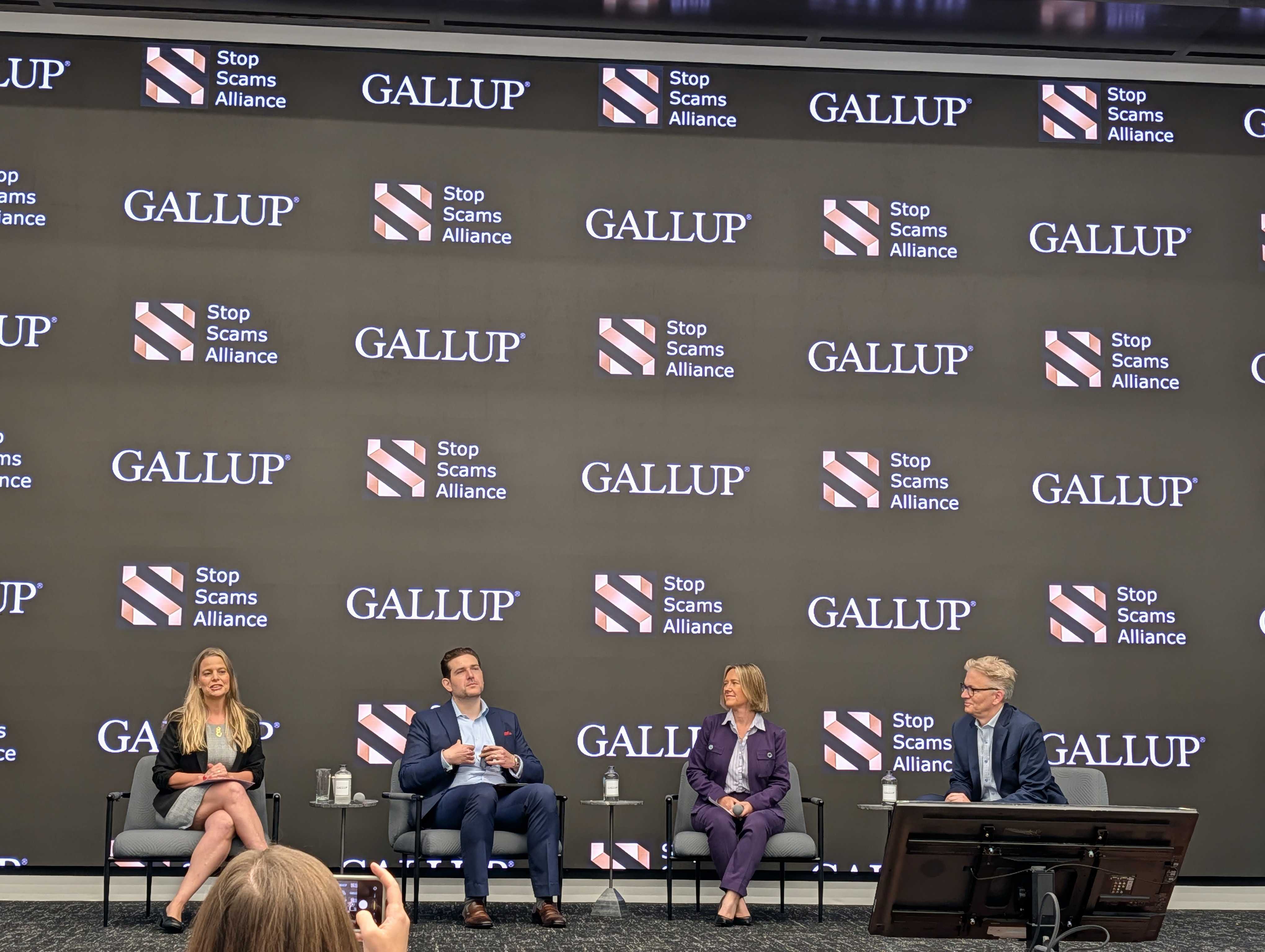
Scams have become a daily reality for millions of Americans.
A new Gallup report commissioned by the Stop Scams Alliance and supported by a coalition of organizations across telecommunications, finance and technology reveals just how widespread the problem has become — and how much more work remains to protect consumers.
The findings highlight the growing sophistication of scams, the significant financial and emotional toll they take on consumers and the critical role trusted communications play in preventing fraud. They also underscore the need for greater cross-industry collaboration to stop scams before they result in financial loss.
Four Key Insights Shaping Critical Conversations:
-
Scams Are a Massive and Growing Problem
Gallup estimates that 15 million Americans were scammed in 2025, resulting in approximately $68 billion in losses. That’s more than four times the amount reported through federal complaint data, suggesting the true impact of scams is significantly larger than official reporting indicates.
-
Telecom Remains a Critical Scam Channel
Phone calls ranked among the top three ways scams begin, accounting for 15% of reported scam entry points. Text messages accounted for another 10%. Once contact is established, phone calls and text messages remain among the most frequently used communication channels throughout the scam journey.
These findings reinforce the importance of trusted communications and continued investment in identity, authentication and fraud mitigation solutions across the telecom ecosystem.
-
The Impact Goes Beyond Financial Loss
The consequences of scams extend far beyond stolen money. Nearly half of the victims reported moderate or severe financial hardship as a result of a scam. Even more striking, 73% said the experience negatively affected their mental health or well-being.
Scams erode trust, create emotional distress and can have lasting effects on consumers and their families.
-
Consumers Report Scams, but Critical Gaps Remain
Most victims take action after a scam, with 79% reporting the incident to at least one organization. However, the majority turn to banks and financial institutions, while only 13% report scams to federal authorities.
This reporting gap limits visibility into the full scope of fraud and highlights the need for stronger collaboration among telecommunications providers, financial institutions, technology companies and government agencies.
Building a More Trusted Communications Ecosystem
Scammers operate across channels and industries. Stopping them requires the same level of coordination.
As a trusted steward of critical numbering and identity infrastructure, Somos remains committed to supporting industry efforts that strengthen trust in communications and help protect consumers from fraud.
Download the full “United States of Scams” report to explore the findings and learn how collaboration across industries can help reduce fraud and improve consumer protection.
Stay Connected
Stay in touch! Sign up for our monthly newsletter.
Need to reach us sooner? Call, text, or email us at:
844.HEY.SOMOS help@somos.com
