
-
 Fraud Mitigation & Data Integrity
Essential tools for trust, integrity, fraud prevention & regulatory compliance.
-
 Routing Optimization
Gain access to authoritative routing data to create the ultimate routing intelligence for your traffic.
-
 Number Administration
Empowering connectivity as the FCC appointed administrators for critical numbering registries.
-
 Connected Device Intelligence
Gain total transparency to your IoT assets’ current state and vulnerabilities.
What's Happening
Learn about the latest news and updates from Somos.
EVENT
Registration for the 2026 Somos Summit is Officially Open!
Join us Nov. 2-3 in Washington, D.C., as global thought leaders, fraud prevention experts and innovators from across telecom and beyond come together for two days of insights, innovation and conversations on how “Restoring Trust Starts with Us”.
INSIGHT
Restoring Trust in the World’s Communications
Gina Perini shares a bold vision for the future: restoring trust in the world’s communications and reestablishing the phone number as a trusted form of identity.
Insights
Telecom Fraud Starts Before the Transaction: Why Community Banks Must Protect Customer Trust Earlier
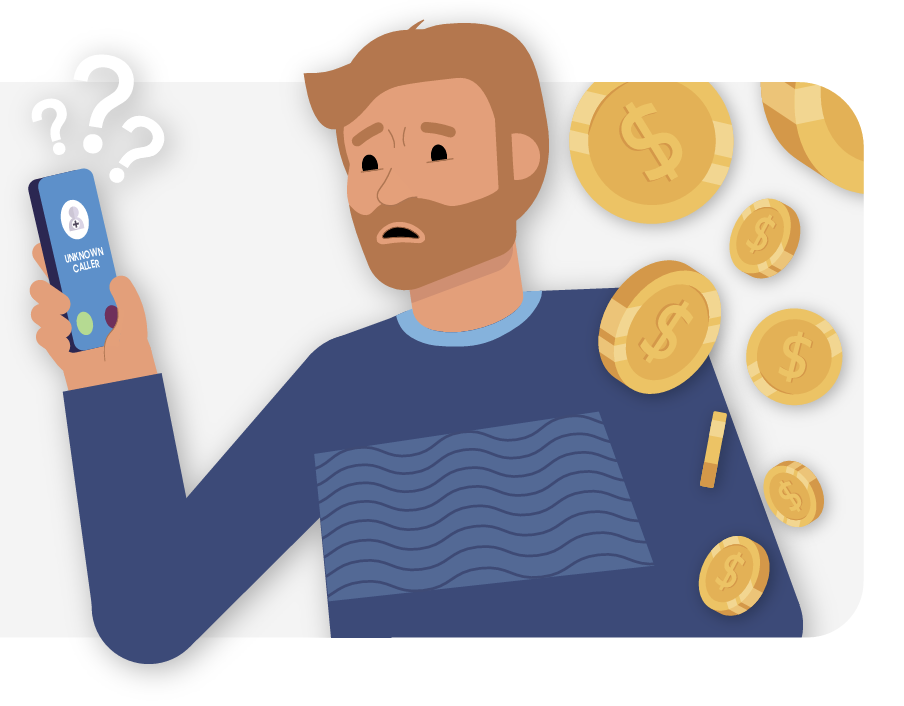
For community banks, trust is more than a competitive advantage. It's the foundation of every customer relationship. Built over years of personal service and local connections, that trust is what keeps customers loyal. Unfortunately, it's also what fraudsters are increasingly exploiting.
Today's fraud often begins long before money moves. A customer receives what appears to be a legitimate phone call or text from their bank, warning of suspicious activity or requesting verification. The phone number looks familiar. The message feels urgent. Believing the communication is authentic, the customer shares sensitive information or approves a fraudulent transaction.
In many cases, the bank's systems were never breached. The customer's trust was.
Fraud Has Shifted to the Communications Channel
Fraudsters are increasingly using caller ID spoofing, bank impersonation, smishing and vishing to manipulate customers before traditional fraud controls have an opportunity to intervene.
Common telecom-enabled fraud schemes include:
-
Bank impersonation: Fraudsters pose as your bank to convince customers to share sensitive information or approve fraudulent transactions.
-
Caller ID spoofing: Criminals make calls appear to come from your bank's trusted phone number, increasing the likelihood customers will answer.
-
Smishing and vishing: Fake text messages and phone calls create urgency around account issues or security alerts to trick customers into taking action.
-
Account takeover: Stolen credentials, one-time passcodes or personal information are used to gain unauthorized access to customer accounts.
-
Elder financial exploitation: Scammers target older customers with calls or texts that exploit trust, fear and urgency to steal money or personal information.
Customers rely on phone numbers to determine whether they should answer a call or trust a text message. A familiar number has become an indicator of legitimacy.
While banks continue investing in fraud detection, cybersecurity and authentication, communications trust often remains outside the conversation. Yet customer decisions are frequently made before a transaction is ever initiated.
Protecting trust means extending fraud prevention beyond the banking platform to include the communications channels customers use every day.
Banking and Telecom Must Work Together
No single organization can solve telecom-enabled fraud alone.
Community banks understand customer behavior, transaction patterns and fraud response. Telecommunications organizations bring expertise in numbering, call authentication, communication identity and trusted network infrastructure.
Together, these capabilities help organizations:
-
Better protect trusted phone numbers
-
Strengthen call authentication
-
Identify suspicious calling and messaging activity
-
Improve customer education around trusted communications
-
Share intelligence during emerging fraud campaigns
Closing the gap between banking and telecom creates stronger defenses against fraud that exploits customer trust.
Building a Stronger Trust Ecosystem
Customers don't distinguish between banking and communications. They simply decide whether they trust the interaction.
As fraud evolves, community banks must extend fraud prevention beyond transactions to the communications that shape customer decisions. Protecting trust earlier helps reduce fraud, strengthen customer confidence and preserve the relationships that set community banks apart.
Download the Telecom Fraud & Community Banks Executive Brief to explore how banking and telecom organizations can work together to strengthen trust across the customer journey.
Stay Connected
Stay in touch! Sign up for our monthly newsletter.
Need to reach us sooner? Call, text, or email us at:
844.HEY.SOMOS help@somos.com
