
-
 Fraud Mitigation & Data Integrity
Essential tools for trust, integrity, fraud prevention & regulatory compliance.
-
 Routing Optimization
Gain access to authoritative routing data to create the ultimate routing intelligence for your traffic.
-
 Number Administration
Empowering connectivity as the FCC appointed administrators for critical numbering registries.
-
 Connected Device Intelligence
Gain total transparency to your IoT assets’ current state and vulnerabilities.
What's Happening
Learn about the latest news and updates from Somos.
EVENT
Registration for the 2026 Somos Summit is Officially Open!
Join us Nov. 2-3 in Washington, D.C., as global thought leaders, fraud prevention experts and innovators from across telecom and beyond come together for two days of insights, innovation and conversations on how “Restoring Trust Starts with Us”.
INSIGHT
Restoring Trust in the World’s Communications
Gina Perini shares a bold vision for the future: restoring trust in the world’s communications and reestablishing the phone number as a trusted form of identity.
Insights
Detecting Synthetic Mule Accounts Starts with Better Identity Context
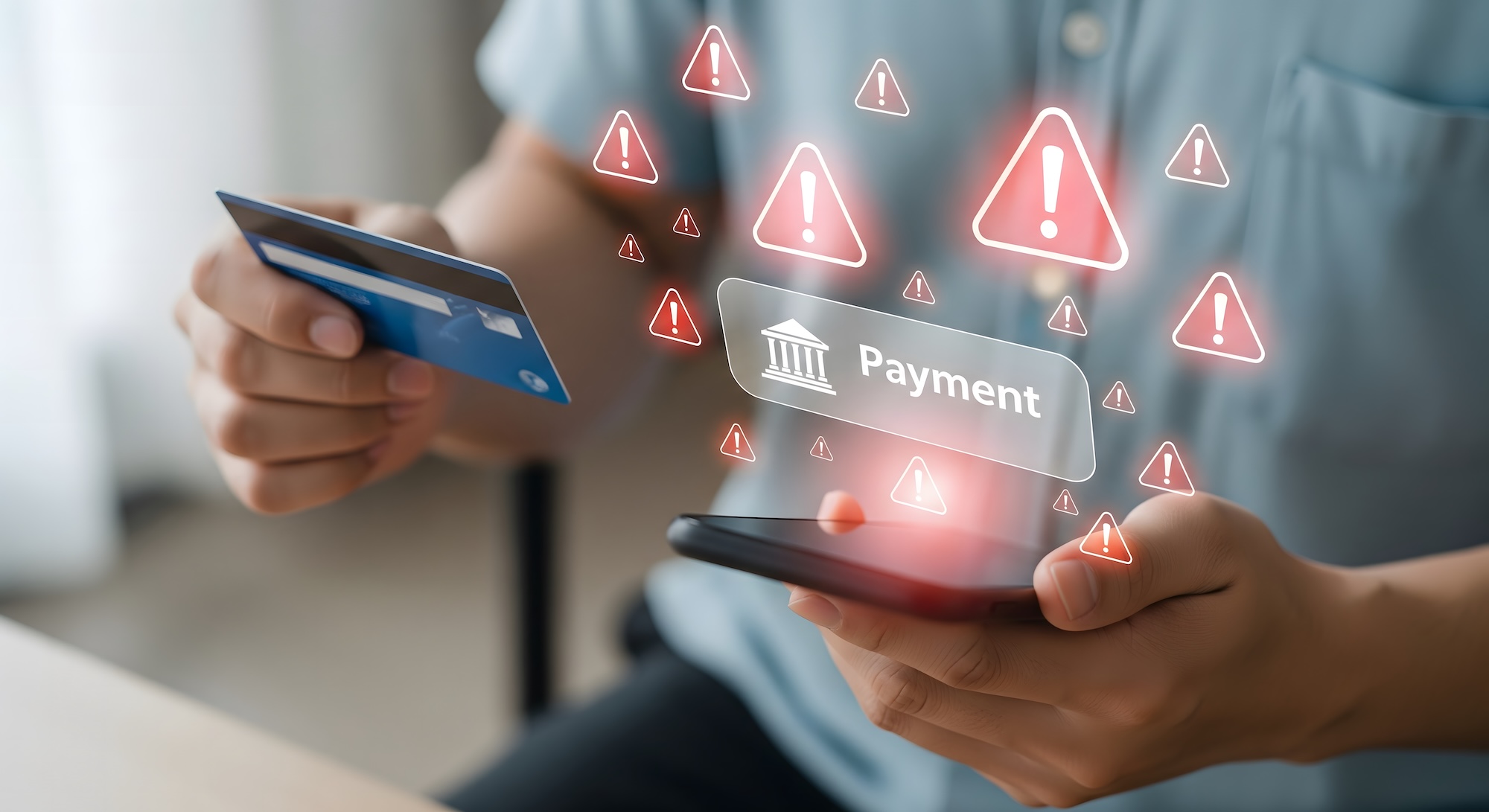
Synthetic mule accounts are not accidental anomalies. They are intentionally constructed identities designed to move fraud proceeds through the financial system while appearing legitimate.
A traditional money mule uses a real person’s account to transfer stolen funds. A synthetic mule account takes that model further. Fraudsters blend real and fabricated information — a legitimate phone number, a plausible name, a real address element — to create an identity that can pass surface-level checks. These accounts are opened, aged and used strategically to receive and move funds across institutions.
Because each data point may look valid on its own, synthetic mule activity often hides in plain sight.
The Federal Reserve has highlighted the growing concern around synthetic identities being used to facilitate money movement and fraud schemes across the financial ecosystem. As these schemes evolve, detecting them requires more than transactional monitoring. It requires stronger identity confidence at the foundation.
Synthetic mule accounts often share subtle patterns:
-
Phone numbers that have been disconnected from its subscriber
-
Contact details that do not consistently align with the stated account holder
-
Consumer information that appears valid but lacks a stable ownership history
-
Accounts opened shortly after changes in contact ownership
On their own, none of these signals confirms fraud. Correlated together, they can reveal risk early.
This is where financial institutions are strengthening their approach.
By connecting to RealAgent® via API or secure UI during onboarding, customer contact or ongoing vetting, banks can compare consumer-provided account information against authoritative ownership and network data. Rather than simply validating that a phone number exists, RealAgent Identify™ provides ownership context that helps risk teams determine whether contact information aligns with a real, verified customer.
RealAgent Identify™ enables institutions to:
-
Retrieve the phone owner name when available
-
Distinguish between consumer versus business registration
-
Review line type, carrier, country and account attributes
-
Identify inconsistencies between account holder information and verified contact ownership
The value is not in a single data point. It is in the correlation between account creation timing, ownership history and contact alignment. For example, if a new account is opened using a phone number that was recently disconnected from its subscriber, that timing matters. If ownership data does not align with the claimed identity, that context matters.
Synthetic mule accounts thrive when their identities appear legitimate but lack a verified context. Strengthening that context helps financial institutions surface mule activity earlier, reduce false positives and focus investigative resources where they are most needed.
As fraud networks grow more sophisticated, identity verification must evolve beyond basic validation. RealAgent Identify™ helps banks detect synthetic mule accounts by correlating consumer account data with verified ownership intelligence.
Download our latest one-pager to learn more!
Have any questions?
Email us at connect@somos.com to connect with a Somos team member today!
Stay Connected
Stay in touch! Sign up for our monthly newsletter.
Need to reach us sooner? Call, text, or email us at:
844.HEY.SOMOS help@somos.com
